For tea gurus like Anindyo Choudhury, that is sacrilege. "I wouldn't even touch it," he says.
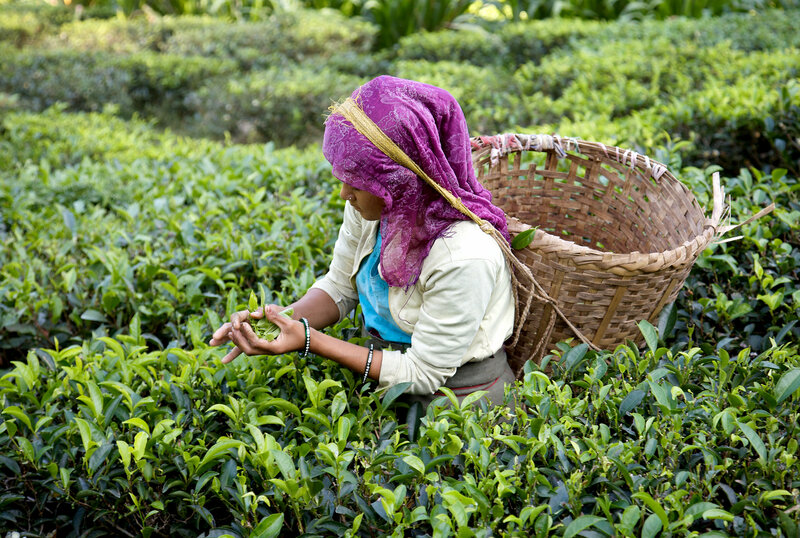
Most tea-bag teas are chopped and cut by machine instead of being rolled and twisted, hand-plucked and hand-processed. The best Darjeeling tea is loose leaf, steeped for a couple of minutes in hot water — it's light and bright.
When Choudhury describes it, he sounds as if he's talking about wine. He gets excited about what he calls the "muscatel," a "nice fruity flavor" that he says is "very hard to come by." He talks about tea "maturing" over a week or two, its flavors deepening.
Choudhury drinks a lot of tea. For almost two decades, it has been a part of his job at J Thomas & Co. Pvt. Ltd., the oldest and largest tea auctioneer and broker in the world. The first public sale of tea took place in its Calcutta offices in 1861.
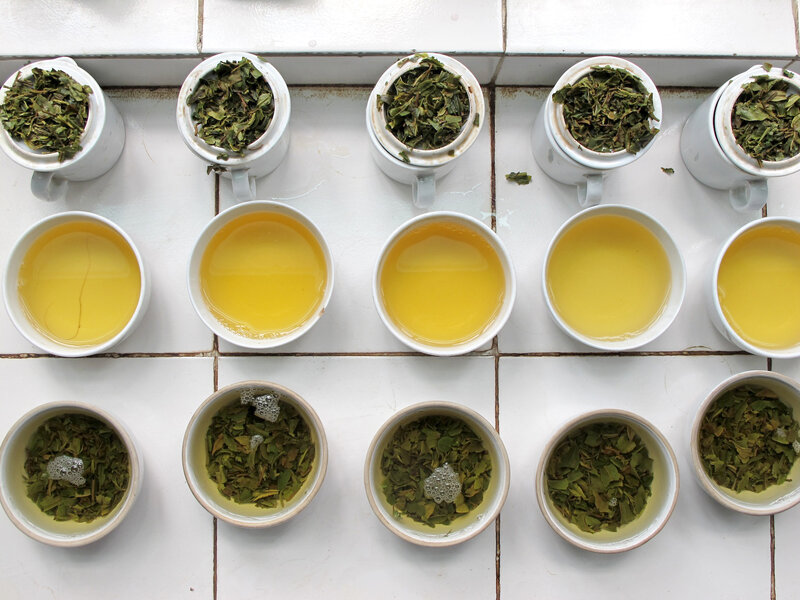
The various teas arrive in the warehouses three weeks before each auction. The auctioneers at J Thomas then catalog them, taste them, value them and distribute samples to the buyers. When it's peak season, Choudhury tastes up to 2,000 cups a week as he prepares to auction the tea every Tuesday. Early summer — during the "second flush" — is when Darjeeling tea is supposed to be at its most vibrant, its colors at its deepest and the auctions at their busiest.
India produces about 8 million kilos — or about 17 million pounds — of Darjeeling tea each year. Usually, estates sell as much as they can to buyers and exporters directly. The rest — about 3 million kilos — they send to J Thomas.
Back in the day when most of the tea came to auction, buyers from all over the world would attend. The auctions ran two days long and came with lunch included.
Read More: http://www.npr.org/sections/thesalt/2016/06/21/482786699/darjeeling-2-0-indias-tea-auction-goes-digital
Related Article: Not just Tea, Darjeeling is more in flavor
